Would you pay more sales tax to keep BART and other transit agencies from cutting service?
on October 1, 2026
Fundraising, advertising and grassroots efforts are underway to persuade voters to approve a November ballot measure that would give Bay Area transit agencies a financial cushion and prevent major service cuts.
Voters are being asked to approve a 14-year regional transportation sales tax of one cent in San Francisco and a half-cent in Alameda, Contra Costa , San Mateo and Santa Clara counties. The tax would generate about $980 million annually to help fund BART, Muni, AC Transit, Caltrain, SF Ferry, SamTrans and other Bay Area transit companies that continue to experience a post-COVID-19 pandemic budget deficit.
State Sens. Scott Wiener and Jesse Arreguín proposed the Bay Area Transit Funding measure last year. Gov. Gavin Newsom signed the legislation in October, and supporters recently submitted more than 305,000 signatures to put it on the ballot. Transportation agencies say the outcome could determine the future of public transportation in the Bay Area.
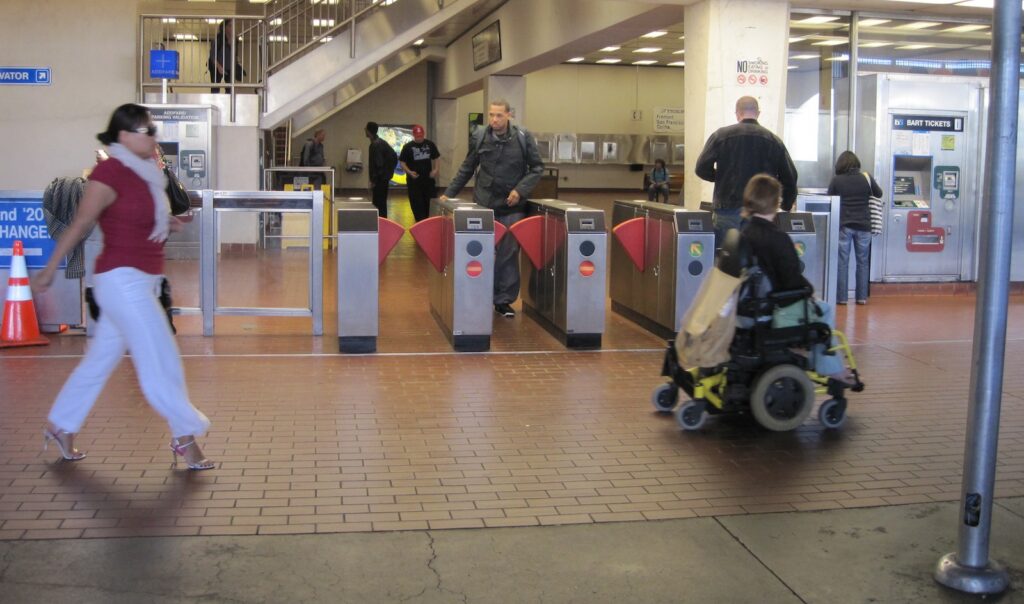
For BART, the stakes are high. The agency’s fiscal year 2027 budget assumes approximately $74 million in revenue from the proposed measure based on estimates from the Metropolitan Transportation Commission, the agency responsible for Bay Area public transportation planning and financing. If voters reject the measure and no alternative funding is identified, the agency could implement an Alternative Service Plan in January that includes service cuts, station closures, fare increases, a 40% reduction in system support services and layoffs for about 1,200 employees.
The plan does not name specific stations to be closed, a decision the BART board would make, Chris Filippi, a BART spokesperson, said in a written response.
Contra Costa Taxpayers Association President Marc Joffe said he is “very skeptical” that the measure’s accountability provisions have “any real teeth” to ensure transit agencies use the additional revenue responsibly. His group is campaigning against the measure and calling on Bay Area transit agencies to figure out how to better spend the billions of dollars they already receive from riders and taxpayers.
The Bay Area has become very expensive, and it’s very hard for middle-income people to make ends meet here,” Joffe said. “So the fight for affordability in the Bay Area starts with voters saying no to these expensive taxes.”
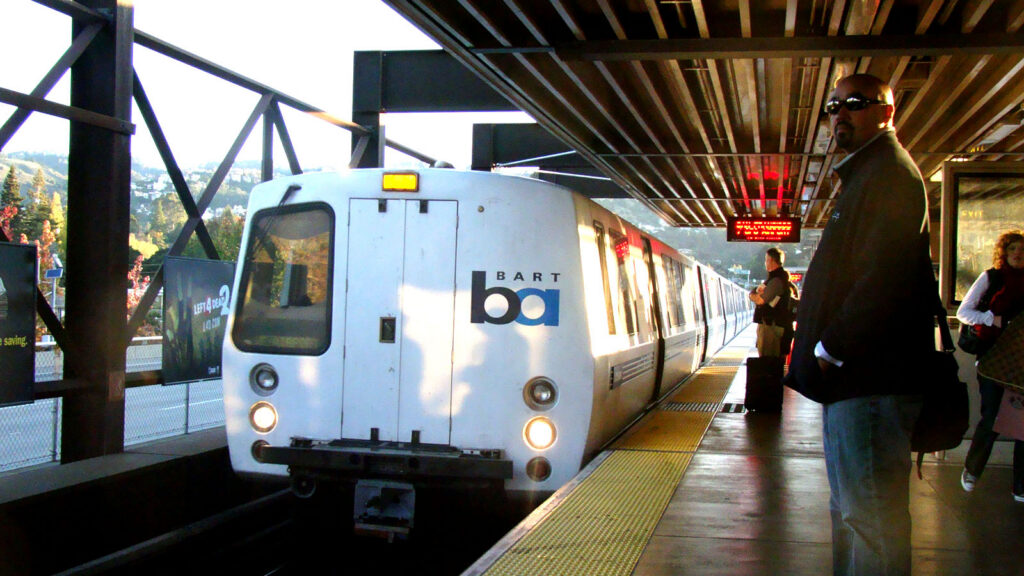
According to Connect Bay Area, without the additional revenue, AC Transit could face about a 37% reduction in service, Muni could reduce service by roughly 30%, including late-night operations, and Caltrain could eliminate weekend service and reduce weekday frequencies. BART could face the deepest reductions, service cuts of as much as 70% and the closures of up to 15 stations.
Wiener did not respond to multiple requests for comment. In a May 26 news release, he said, “The challenges facing BART and Muni are existential, but failure is not an option here. The Bay Area runs on transit, and we must step up to save it for all our sakes.”
Opposition to the measure
Contra Costa Taxpayers Association President Marc Joffe said he is “very skeptical” that the measure’s accountability provisions have “any real teeth” to ensure transit agencies use the additional revenue responsibly. His group is campaigning against the measure and calling on Bay Area transit agencies to figure out how to better spend the billions of dollars they already receive from riders and taxpayers.
The Bay Area has become very expensive, and it’s very hard for middle-income people to make ends meet here,” Joffe said. “So the fight for affordability in the Bay Area starts with voters saying no to these expensive taxes.”
According to Connect Bay Area, without the additional revenue, AC Transit could face about a 37% reduction in service, Muni could reduce service by roughly 30%, including late-night operations, and Caltrain could eliminate weekend service and reduce weekday frequencies. BART could face the deepest reductions, service cuts of as much as 70% and the closures of up to 15 stations.
Wiener did not respond to multiple requests for comment. In a May 26 news release, he said, “The challenges facing BART and Muni are existential, but failure is not an option here. The Bay Area runs on transit, and we must step up to save it for all our sakes.”
People of Emeryville: What story do you think local news should cover?
Emeryville Today welcomes comments from our readers, but we ask users to keep all discussion civil and on-topic. Comments post automatically without review from our staff, but we reserve the right to delete material that is libelous, a personal attack, or spam. We request that commenters consistently use the same login name. Comments from the same user posted under multiple aliases may be deleted. Emeryville Today assumes no liability for comments posted to the site and no endorsement is implied; commenters are solely responsible for their own content.