Volunteers give Emeryville Marina Park a native species makeover
on November 24, 2026
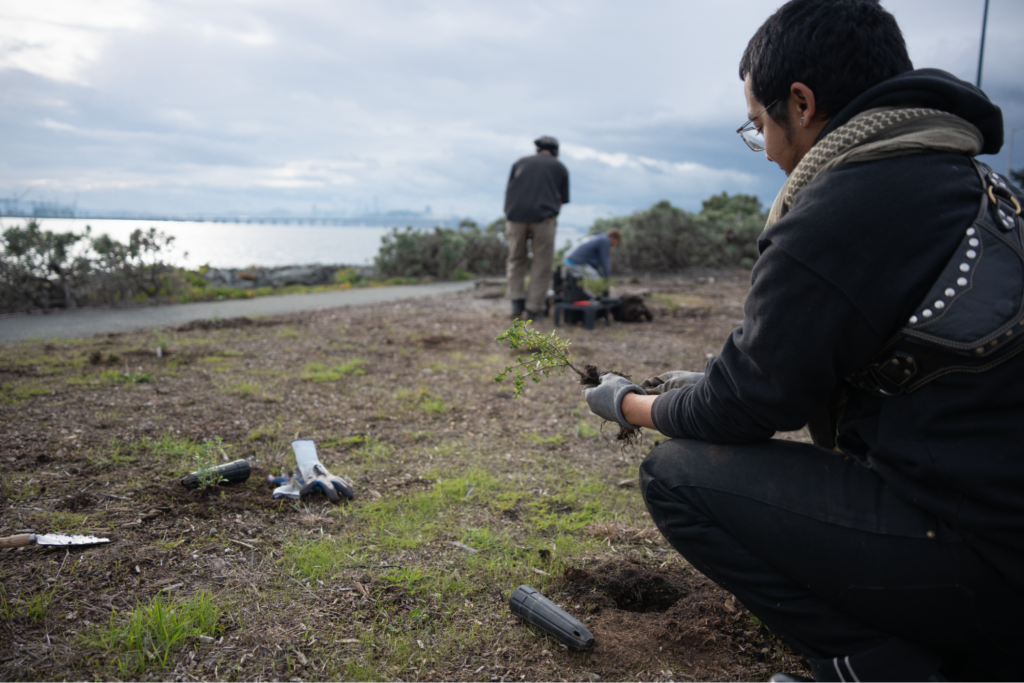
Organizers met volunteers along the shoreline at the Emeryville Marina Park Saturday afternoon with a trunkful of native saplings and seeds for the first planting event organized by Emeryville-based Chaotic Green Restoration.
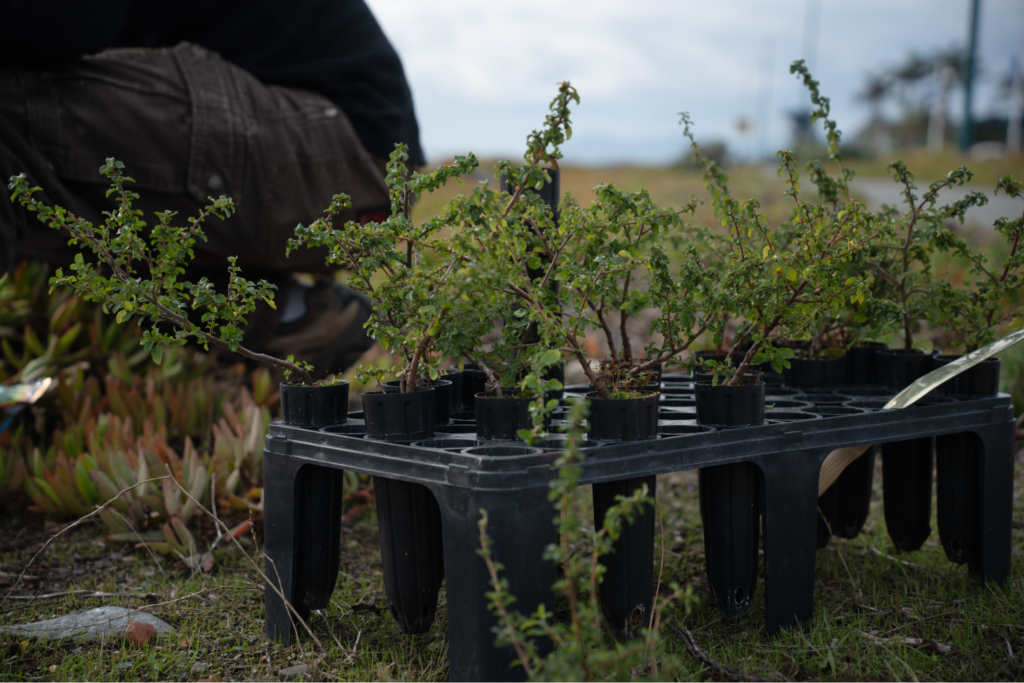
The group raised $250 to buy about 100 native Parry ceanothus and western ragweed plants and another 400,000 seeds of native sunflower and poppy species.
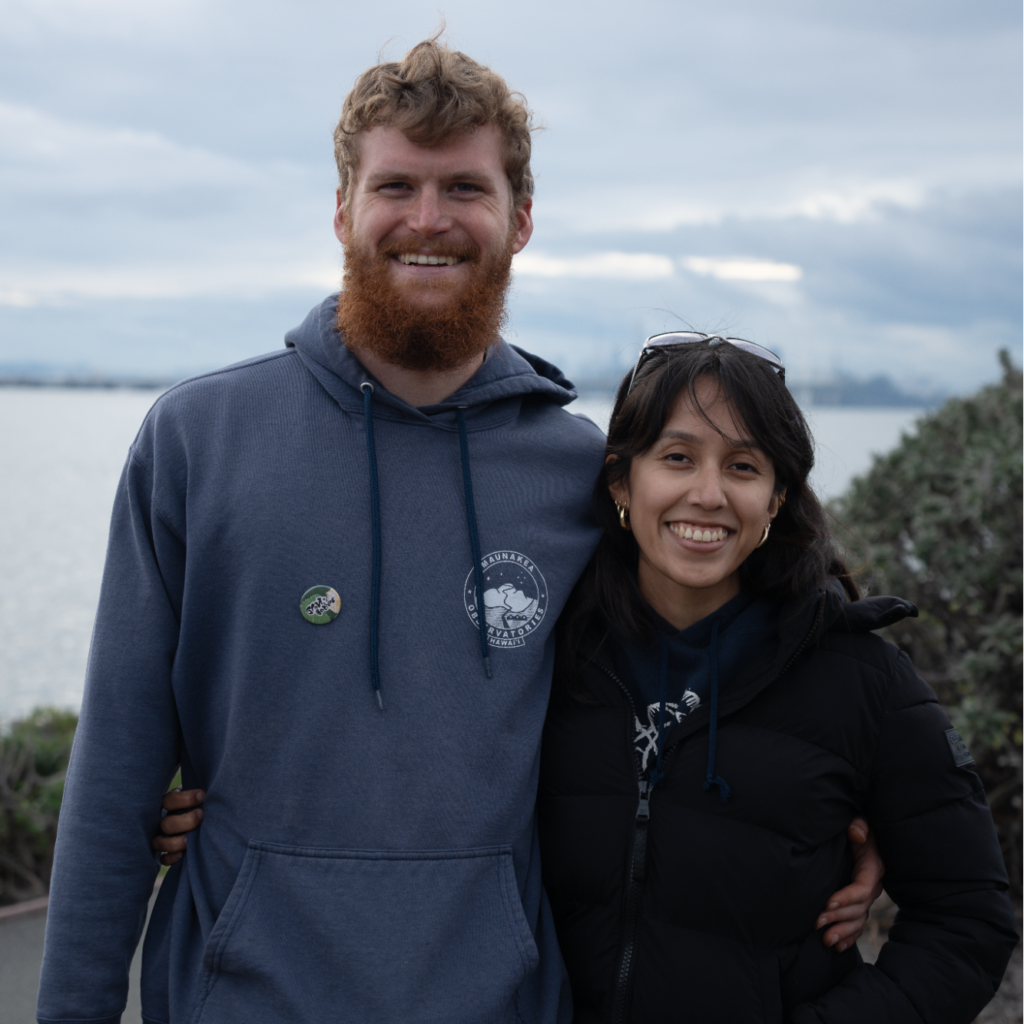
The organizers, Anna Lorenzo and Konstantin Dubovitskiy, are a married couple who co-founded the group with a mission to “remove invasive species, restore native habitat and create thriving ecosystems for pollinators, birds and future generations.”
“One [goal] is to build community of other people who are interested in habitat restoration… and also to spread awareness on things like ice plants,” Lorenzo said.
Four volunteers, including this reporter, helped Lorenzo and Dubovitskiy plant native species and pull out a few ice plants, a succulent shrub native to South Africa that was introduced to California in the early 1900s as an erosion-stabilization tool in railroad construction.
Ice plants have since spread along the North American coastline from Humboldt County to Baja California in Mexico. According to the California Department of Fish and Wildlife, they choke out native species, competing with them for resources. Dubovitskiy said birds and insects generally don’t feed on it, and the plants are not even good at stabilizing the ground.
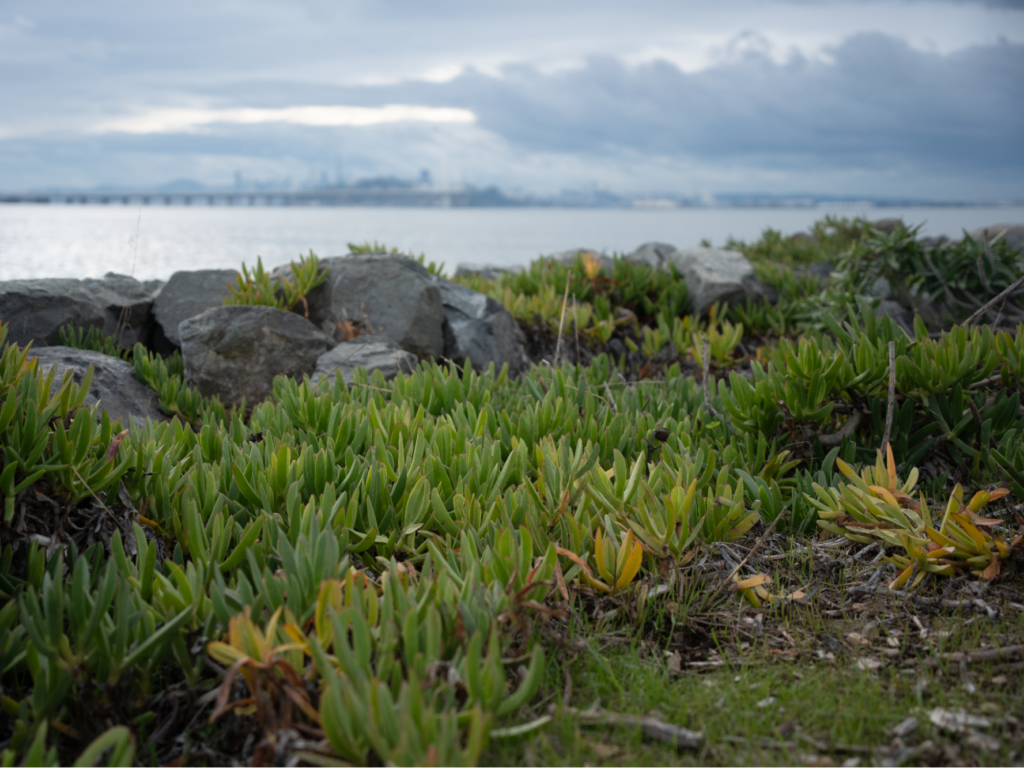
According to the National Wildlife Federation, native species thrive in the environments they’re from, requiring less maintenance. They also support the soil and host many insects.
Lorenzo said the City of Emeryville allowed the group to work on a few patches of land after efforts to gain permits. But much of the land with ice plants CGR was interested in working on are operated by the East Bay Regional Park District, which has yet to grant permits, Lorenzo said.
The City of Emeryville did not respond to Emeryville Today’s request for comment. The regional parks district spokesperson Jen Vanya said that not all park areas are open to outside volunteer work.
The organizers almost postponed the event due to heavy rain but went ahead on Saturday once there was a break in the downpour. Dubovitskiy seemed optimistic about the rain, thinking it might help the new plants.
The pair provided shovels and gloves to the volunteers and gave tips on how to properly dig holes for the plants and spread seeds.
“I feel like you get a different sense of responsibility for being a steward of your environment,” Emeryville local and volunteer Sage Dawson said. “So I really appreciate the opportunity to participate in an event like this where we can all do it.”
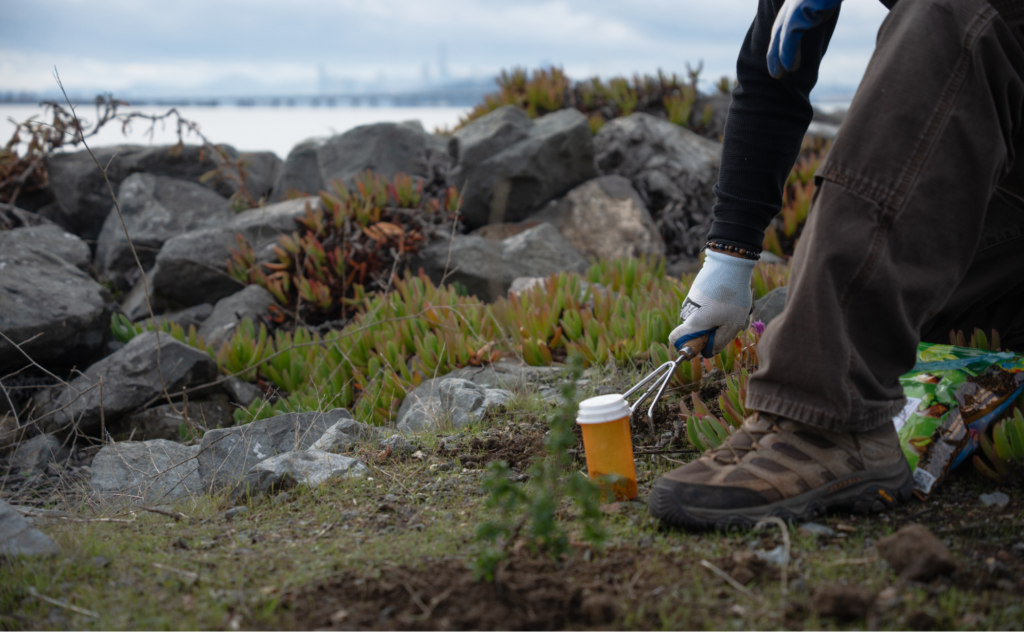
Volunteer Benjamin Rendon, an Oakland resident, said the event also offered the opportunity to learn new skills.
“I’ve always wanted to get into garden type work to just restore what’s here or what’s been lost,” he said.
A few passersby asked the volunteers about what they were doing and thanked them for their work.
Dubovitskiy said one of CGR’s goals is to transform at least 1 acre of land. With the difficulty of getting permits and the nearby “carpet of ice plants,” the group has its work cut out for it.
Dubovitskiy keeps CGR’s motto in mind: “one step at a time, one place at a time.”
For now, the pair does not expect any work until the rainy season ends.
“It’s very opportunistic,” Dubovitskiy said. That’s why we’re called Chaotic Green Restoration, [we’re] just opportunistically putting native plants in the ground whenever we find the opportunity to do so.”

Emeryville Today welcomes comments from our readers, but we ask users to keep all discussion civil and on-topic. Comments post automatically without review from our staff, but we reserve the right to delete material that is libelous, a personal attack, or spam. We request that commenters consistently use the same login name. Comments from the same user posted under multiple aliases may be deleted. Emeryville Today assumes no liability for comments posted to the site and no endorsement is implied; commenters are solely responsible for their own content.