Bay Area transit agencies celebrate RTM’s passage with toasts, cheers, sighs of relief
on November 6, 2026
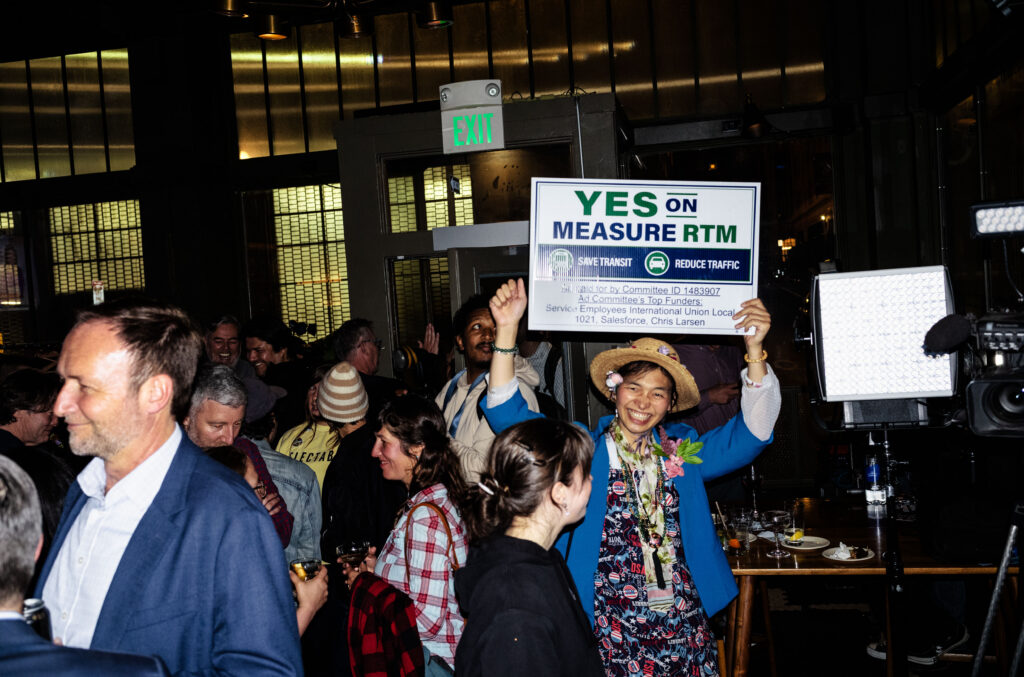
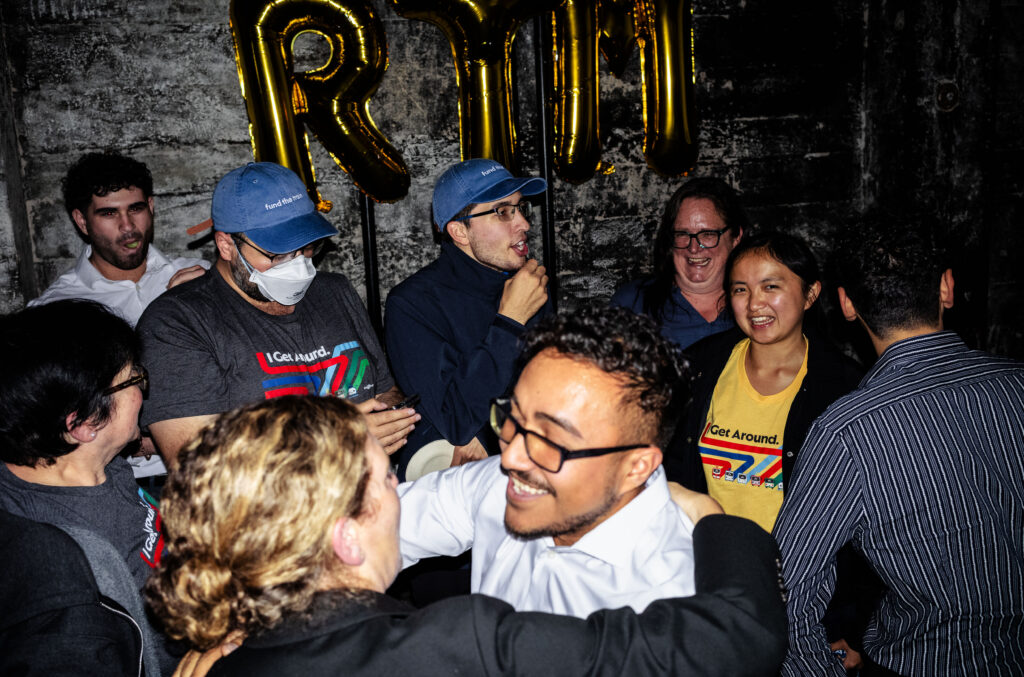
At The Cordial in San Francisco election night, dozens of people who had campaigned for the Regional Transit Measure celebrated when it became apparent their hard work had paid off.
“RTM, RTM, RTM,” the crowd chanted.
As the initial results came in, some in the crowd shrieked and embraced, while others toasted and cheered.
“There’s a lot of people who’ve done a lot of work on this over the last few years and to see the results come in as they’re coming in now is, it’s validating,” said Jeff Cretan, spokesman for the Connect Bay Area coalition. “But it’s also invigorating, because this work is hard and people have really put their time and energy on the line.”

Public transit agencies have said the measure, which will generate about $980 million annually for 14 years, was the only way to avoid deep service cuts and the closure of possibly 10 BART stations. The measure calls for a half-cent sales tax in Alameda, Contra Costa, San Mateo and Santa Clara counties, and a full cent tax in San Francisco, with the proceeds benefitting 27 Bay Area transit agencies.
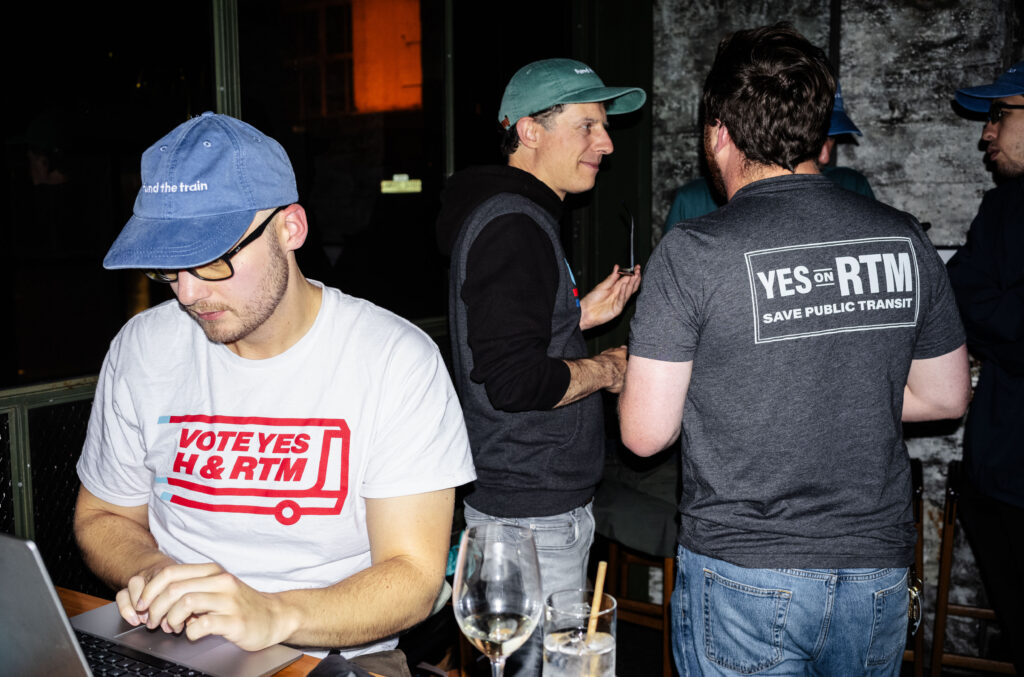
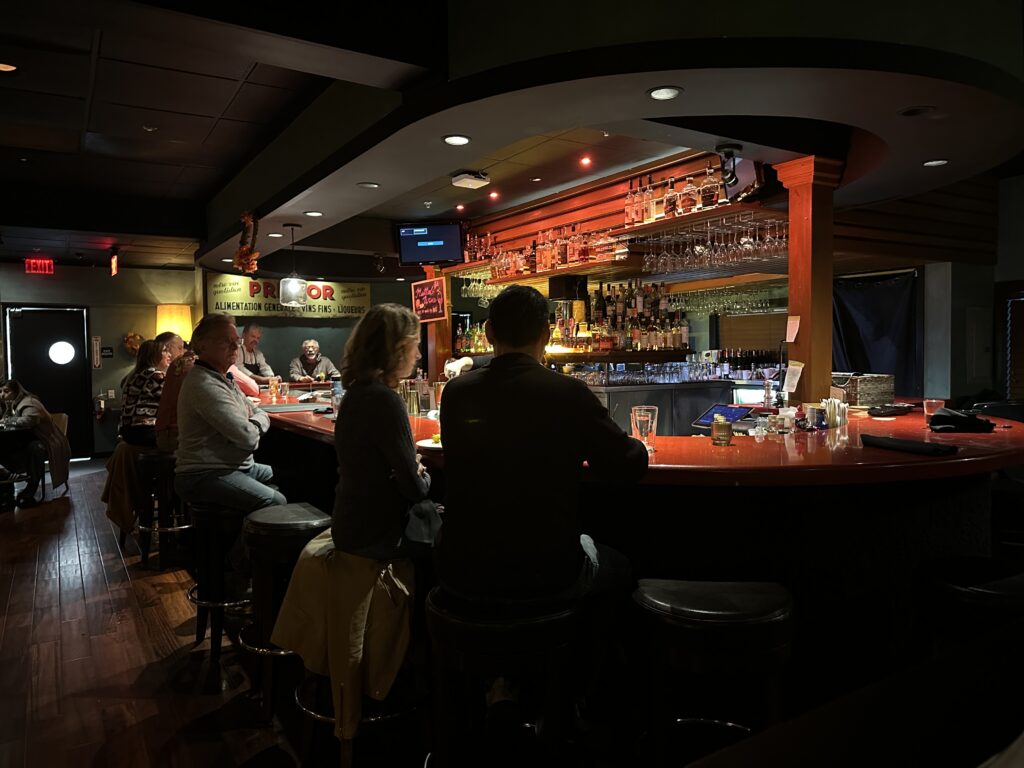
At Tuesday’s watch party, which was hosted by the urban policy group SPUR, public transit workers and advocates gathered to eat, drink and watch the results of the RTM and national midterm elections. The bar was loud with chatter and decorated for the occasion with large golden letters spelling “RTM” on the back wall and stickers and buttons reading “I ride Caltrain,” and “I ride AC Transit” covering the bar.
With passage of the measure, BART will work to improve service, including expanding pass options, Robert Powers, BART general manager, told Richmond Confidential.
“I’m firmly convinced we have to figure out what is the next pass product for our riders,” Powers said. “For the riders in the Bay Area, is it a family of four pass that you can get?”
Though the results are preliminary and mailed ballots will continue to be counted until Nov. 10, transit agencies called victory with yes votes getting about 61% of the ballots cast on or by Election Day. On Wednesday, BART issued a statement thanking voters for backing the measure, which it said would enable the system to remain “the transportation backbone of the region.”
Voters and riders weigh in
At San Pablo City Hall Tuesday afternoon, Alex Rocha, voted yes on Measure RTM to prevent traffic from worsening and because her children rely on AC Transit to commute to school. Rocha usually takes BART when she goes to San Francisco and rides Muni once she’s there.
“If I go into the city for an appointment, I don’t want to drive,” she said. “Gas is so expensive, I’d rather pay for public transportation, hop on BART, and then just take a bus if I have to, versus paying $7 per gallon.”
Uche Nchekwube, a San Pablo real estate agent, uses public transportation as much as possible because it’s more environmentally friendly.
In El Cerrito, Dmitry Poletaev voted yes but said some members of his family voted no, because they did not believe RTM included enough information about how the funds would be controlled and monitored.
That was one of the arguments put forth by the Contra Costa Taxpayers Association, which also said transit agencies could better spend the money they have been receiving through taxes and fares.
In August, association President Marc Joffe and nine other Bay Area voters organized as the Committee for Affordable Bay Area Transit, filed a lawsuit in Santa Clara County Superior Court against county and district elections officials, alleging the ballot measure’s wording favored a “yes” vote. A judge rejected the petition to change the measure’s text.
“Despite our campaign’s best efforts, agencies, advocates, and media were able to convince voters that the tax was necessary to avoid a transportation disaster,” Joffe said after the election. “I disagree, and I am sorry that Bay Area voters have further exacerbated our region’s affordability problem.”
Josh Cerechino, a retired teacher in Emeryville, said he doesn’t think the burden to fund transit agencies should fall on average citizens, but he did reluctantly vote yes on the measure.
“I don’t want to see the public transit options in the Bay atrophy even further,” he said.
Rob Thompson, general manager of WestCAT, a small bus agency serving West Contra Costa County, said Tuesday’s results were “very promising and show that the public realize the value of public transit in the Bay Area.”
Around 63% of money raised from Measure RTM will go toward buses, trains and ferries, while the remainder will go to local transit authorities, including the Contra Costa Transportation Authority and Alameda County Transportation Commission.
Carter Lavin, co-founder of the Transbay Coalition, said that next steps include working with Gov.-elect Xavier Becerra and legislators to improve state funding options for public transit.
“We really need them to step up their game, because it really shouldn’t come down so much on transit riders to do all this work,” Lavin told Richmond Confidential at the RTM watch party.
The tax will go into effect on April 1.
AC Transit details route cuts that could happen next summer if ballot measure fails
Emeryville Today welcomes comments from our readers, but we ask users to keep all discussion civil and on-topic. Comments post automatically without review from our staff, but we reserve the right to delete material that is libelous, a personal attack, or spam. We request that commenters consistently use the same login name. Comments from the same user posted under multiple aliases may be deleted. Emeryville Today assumes no liability for comments posted to the site and no endorsement is implied; commenters are solely responsible for their own content.